What Hidden Structural Damage Can Storms Cause Beyond Missing Shingles?
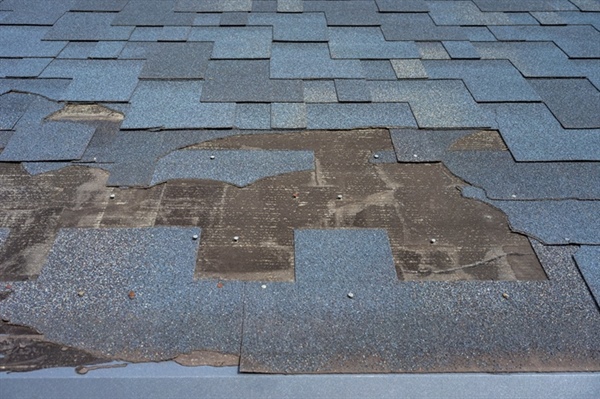
After a powerful storm moves through your neighborhood, missing shingles are often the most visible sign of damage. But what many homeowners do not see can be far more serious. High winds, wind-driven rain, hail, and rapid pressure changes can compromise the hidden structural components that keep a home stable and watertight. Beneath the surface of your roofing system, damage to decking, underlayment, framing, and support structures can quietly develop into major structural failures if left unaddressed.
At Twin Cities General Contracting, we have seen firsthand how storms in the Ham Lake area impact homes well beyond cosmetic roof damage. Heavy rain can infiltrate concealed cavities, hail can weaken structural materials without obvious cracks, and strong winds can shift support systems in ways that are not immediately visible. In the sections below, we examine how heavy rain and wind compromise roof decking and underlayment, how hidden water intrusion develops inside walls and attics, how hail affects structural integrity, how storms impact foundations and framing, and how exterior systems like gutters and flashing become weakened over time. You can learn more about professional storm damage repair considerations here.
How Heavy Rain and Wind Compromise Roof Decking and Underlayment
Roof decking serves as the structural foundation of a roofing system, typically constructed from plywood or oriented strand board (OSB). During severe storms, wind uplift can loosen shingles and create gaps that allow wind-driven rain to penetrate beneath the surface. Once water reaches the decking, it can saturate the wood fibers. Repeated wetting and drying cycles reduce structural strength, promote delamination in plywood, and cause OSB panels to swell and lose load-bearing capacity.
Underlayment acts as a secondary water barrier installed directly above the decking. When wind tears shingles or creates negative pressure zones, underlayment may become exposed. Extended exposure to moisture and ultraviolet radiation degrades its waterproofing properties. If fasteners loosen under high wind loads, water can track along nail penetrations and seams, leading to concealed moisture accumulation beneath the roof surface.
Unchecked moisture intrusion into decking can lead to rot, fungal growth, and fastener corrosion. Over time, this compromises the structural diaphragm of the roof, which plays a role in lateral stability during high winds. Professional assessment following major storm damage is critical because decking deterioration often develops long before interior staining becomes visible.
Hidden Water Intrusion Inside Walls and Attics After Storm Events
Storm-driven rain does not always enter through obvious roof openings. Wind pressure can force water into soffits, ridge vents, flashing intersections, and siding joints. Once inside wall cavities or attic spaces, moisture can travel along framing members and insulation, spreading well beyond the original point of entry.
Attics are particularly vulnerable when ventilation systems are compromised by wind. Saturated insulation loses thermal resistance and can hold moisture against roof sheathing for extended periods. This prolonged damp environment encourages mold growth and accelerates wood decay. Wall cavities can trap moisture behind vapor barriers and drywall, creating conditions where damage progresses without visible warning signs.
Hidden water intrusion also affects metal fasteners and connectors within framing assemblies. Corrosion weakens structural connections over time. Because these processes occur behind finished surfaces, professional moisture mapping and structural evaluation are often necessary to identify concealed damage before it leads to long-term structural deterioration.
How Hail Impacts Structural Integrity Beyond Surface Damage
Hail damage is commonly associated with dented shingles or visible granule loss. However, the kinetic energy from hailstones transfers force through the roofing materials and into the decking below. Larger hailstones can create microfractures in shingle mats and compress underlying underlayment, reducing its water-shedding performance even when the surface appears intact.
Repeated hail impacts weaken the protective granule layer on asphalt shingles. Granules shield shingles from ultraviolet radiation; when they are dislodged, accelerated aging occurs. Brittle shingles crack more easily under thermal expansion and contraction, which increases vulnerability to future wind events.
In addition to roofing materials, hail can damage skylight frames, flashing systems, metal vents, and exterior cladding. Dents and fractures in these components may appear minor but can create entry points for moisture. Over time, these vulnerabilities affect the structural assembly beneath the surface, compromising both durability and load distribution.
Foundation and Framing Damage Resulting from Severe Storms
Severe storms often bring prolonged rainfall that saturates soil surrounding a home’s foundation. When soil becomes oversaturated, hydrostatic pressure builds against foundation walls. This pressure can force water through cracks and cold joints in concrete, leading to interior seepage and gradual structural weakening.
Rapid changes in soil moisture content also contribute to expansion and contraction cycles. Expansive clay soils swell when wet and shrink during dry periods. These movements place stress on foundation footings and can lead to differential settlement. Even minor shifts affect framing alignment, door and window operation, and load distribution throughout the structure.
High winds may also introduce lateral loads that stress roof-to-wall and wall-to-foundation connections. If structural connectors are already weakened by corrosion or previous moisture exposure, severe wind events can exacerbate framing displacement. Over time, these cumulative stresses reduce the building’s overall structural resilience.
How Storms Weaken Gutters, Flashing, and Exterior Support Systems
Gutters and downspouts are engineered to manage roof runoff efficiently. During heavy storms, debris accumulation combined with intense rainfall can overload gutter systems. Excess weight causes fasteners to loosen and fascia boards to deteriorate. Once gutters detach or sag, water may cascade directly against exterior walls and foundations.
Flashing installed around chimneys, valleys, skylights, and roof penetrations is critical for directing water away from vulnerable joints. High winds can lift or crease metal flashing, breaking sealant bonds. Even minor displacement creates capillary gaps where water can infiltrate beneath roofing materials.
Exterior support components, including soffits, fascia, and siding attachments, are also exposed to uplift forces. Repeated storm exposure weakens connections and protective coatings. If you suspect deterioration of these systems, contacting Twin Cities General Contracting for a detailed evaluation can help identify concealed vulnerabilities before they escalate into structural failure.
Protecting Your Home After Severe Storm Damage
Storm damage often extends far beyond visible roofing issues. Compromised decking, hidden water intrusion, hail-related structural stress, foundation movement, and weakened exterior support systems can all threaten long-term structural stability. Addressing these concerns requires thorough inspection, detailed documentation, and professional restoration practices grounded in structural integrity standards.
Twin Cities General Contracting provides comprehensive storm restoration services designed to address both visible and hidden structural damage. Our team evaluates roofing systems, structural framing, foundations, and exterior assemblies to identify issues that may not be immediately apparent after a storm.
If your property has experienced severe weather, call 763-258-3904 to speak with our team or contact us to schedule a professional assessment. Twin Cities General Contracting is committed to restoring structural safety and long-term durability for homes throughout the region.