How Much Wind Can Different Roofing Materials Withstand in Minnesota Storms?
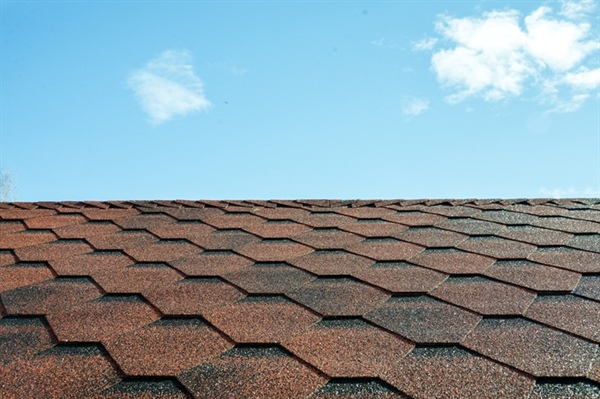
Minnesota storms are defined by more than heavy rain and snow. Straight-line winds, derechos, and tornadic activity routinely push wind speeds beyond 60 mph, with severe storms exceeding 90 mph in some regions. When high winds move across the Twin Cities and surrounding communities, uplift pressure concentrates along roof edges, ridges, and corners—areas where even small installation errors or lower-rated materials can lead to shingle loss or structural damage. Understanding how different roofing systems perform under these conditions is critical for long-term durability.
Homeowners comparing asphalt shingles, architectural shingles, and metal systems often focus on cost or appearance, but wind ratings and installation standards are just as important. In this guide, we examine how asphalt shingles are rated for wind in Minnesota, how metal systems respond to high-wind uplift, whether architectural shingles outperform three-tab products, how installation methods influence wind resistance, and which building codes and manufacturer standards govern performance in the state. As a Minnesota contractor serving communities like Ham Lake, Twin Cities General Contracting has extensive experience with roofing systems engineered for Upper Midwest weather conditions.
What Wind Speeds Are Asphalt Shingles Rated to Withstand in Minnesota?
Asphalt shingles are the most widely installed residential roofing material in Minnesota, and their wind resistance varies significantly depending on product type and manufacturer certification. Standard three-tab asphalt shingles typically carry wind ratings between 60 and 70 mph under ASTM D7158 Class D or ASTM D3161 Class A testing. These ratings reflect resistance to uplift under controlled laboratory conditions that simulate sustained wind exposure. In severe Minnesota storms, gusts can exceed these thresholds, which explains why lower-rated shingles are more prone to blow-offs along eaves and ridges.
Higher-grade asphalt shingles—often labeled as “high-wind” or “enhanced seal” products—may achieve ratings of 110 mph to 130 mph when installed with six nails and manufacturer-approved starter strips. ASTM D7158 Class H shingles are tested to withstand winds up to 150 mph under specific conditions. These products rely on reinforced fiberglass mats and advanced adhesive sealant strips that bond shingles together once activated by heat. In colder climates like Minnesota, proper sealing is especially important because inadequate sun exposure or improper installation can delay adhesive activation.
Wind resistance also depends on roof design and installation precision. Edge securement, proper underlayment, and correct nailing patterns all influence uplift performance. A properly installed roofing system using manufacturer-certified high-wind shingles offers substantially greater resistance to storm damage than basic three-tab systems installed with minimal fastening. Minnesota homeowners should verify both product wind ratings and installation standards before selecting an asphalt shingle system.
How Do Metal Roofing Systems Perform in High-Wind Conditions?
Metal roofing systems are widely recognized for superior wind resistance compared to traditional asphalt products. Mechanically seamed standing seam metal roofs can achieve wind uplift ratings exceeding 140 mph when tested under UL 580 or FM 4474 standards. Because panels interlock and are secured with concealed fasteners, they reduce the likelihood of wind infiltration beneath the roofing surface. This design limits the progressive failure pattern sometimes seen with shingle blow-offs.
In Minnesota’s severe thunderstorms and straight-line wind events, metal roofs perform well due to their continuous panel structure and high strength-to-weight ratio. Steel and aluminum panels are engineered to resist deformation under uplift pressures. Fastening systems, clip spacing, and substrate attachment are calculated based on exposure category and building height. Proper engineering is critical; wind performance is not determined by panel material alone but by the complete attachment system.
Metal roofing also reduces the risk of localized failure. When properly installed over solid decking with manufacturer-approved fastening schedules, panels distribute wind loads more evenly than segmented shingle systems. This structural continuity is one reason commercial and agricultural buildings in high-wind zones frequently utilize metal roofing assemblies.
Are Architectural Shingles More Wind-Resistant Than Three-Tab Shingles?
Architectural shingles—also known as dimensional or laminated shingles—are generally more wind-resistant than traditional three-tab shingles. Their multi-layer construction increases thickness and weight, improving resistance to uplift forces. While three-tab shingles commonly carry ratings between 60 and 70 mph, architectural shingles often meet 110 mph standards when installed with four nails and can reach 130 mph ratings with six-nail patterns.
The improved wind performance results from both structural composition and adhesive surface area. Laminated shingles contain additional asphalt layers and enhanced sealant strips that create stronger bonds between courses. In high-wind scenarios, this reduces the likelihood of individual tab separation. ASTM D7158 Class G and Class H architectural shingles are tested under more rigorous uplift simulations than basic three-tab products.
Minnesota’s seasonal freeze-thaw cycles also favor architectural products. Heavier shingles tend to lie flatter and maintain better adhesion in fluctuating temperatures. While no asphalt product is immune to extreme wind events, architectural shingles offer measurable improvements in wind resistance compared to traditional three-tab systems when installed according to manufacturer guidelines.
How Do Installation Methods Affect a Roof’s Wind Resistance?
Installation quality directly influences whether a roofing system performs at its rated wind capacity. Even shingles certified for 130 mph winds can fail prematurely if improperly fastened. Manufacturer specifications typically require precise nail placement within designated nailing zones. Nails driven too high, too low, or overdriven reduce holding power and can void wind warranties.
Starter strip installation is another critical factor. Starter shingles seal the first course at the eave, preventing wind from lifting the bottom edge. In Minnesota, where gusts frequently target roof perimeters, missing or incorrectly installed starter strips are a leading cause of blow-offs. Ridge cap shingles must also be secured with proper overlap and fastening depth to resist uplift at roof peaks.
Ventilation and decking condition further affect wind performance. Solid, code-compliant decking provides a stable substrate for fasteners. Deteriorated sheathing reduces nail retention strength, increasing the risk of failure under high winds. Ice and water shield placement along eaves and valleys, though primarily intended for moisture protection, also adds secondary adhesion that can improve overall system integrity.
What Building Codes and Manufacturer Ratings Apply to Wind Resistance in Minnesota?
Minnesota follows the Minnesota State Building Code, which incorporates provisions from the International Residential Code (IRC). Wind design requirements are based on ASCE 7 standards, which establish basic wind speeds and exposure categories. Much of Minnesota is classified with basic wind speeds ranging from 115 to 130 mph under ultimate design wind speed maps. Roofing systems must be installed to meet these regional design criteria.
Manufacturers provide wind warranties tied to compliance with specific installation instructions. ASTM D3161 and ASTM D7158 are the primary testing standards for asphalt shingles, while UL 580 and FM 4474 govern many metal roofing uplift classifications. Warranty coverage often requires enhanced fastening patterns in higher wind zones. Failure to follow these requirements may reduce coverage even if the product itself carries a high wind rating.
Homeowners reviewing manufacturer data sheets should confirm both laboratory classification and compliance with Minnesota code requirements. For product specifications and system documentation, visit Twin Cities General Contracting to review available roofing materials and performance standards applicable to Minnesota properties.
Storm-Resistant Roofing Solutions in Ham Lake and the Twin Cities
High-wind events demand more than standard materials. Twin Cities General Contracting installs roofing systems designed to meet Minnesota’s wind exposure requirements. From high-wind architectural shingles to mechanically seamed metal roofing systems, their team applies manufacturer-approved fastening schedules and code-compliant installation practices to maximize wind resistance.
Each roofing project begins with an evaluation of decking integrity, ventilation, and edge securement to reduce uplift risk. Proper starter installation, enhanced nailing patterns, and ridge reinforcement all contribute to improved storm performance. Homeowners seeking detailed information about wind-rated materials and installation standards can call 763-258-3904 or contact us for a consultation.
Twin Cities General Contracting combines regional code knowledge with proven installation methods to help Minnesota homeowners prepare for severe weather. Whether upgrading from three-tab shingles or considering a metal roofing system, their experience in Ham Lake and the surrounding Twin Cities ensures roofing systems are built to withstand Minnesota storms.