How Does Roof Decking Condition Impact the Performance of a New Roof System?
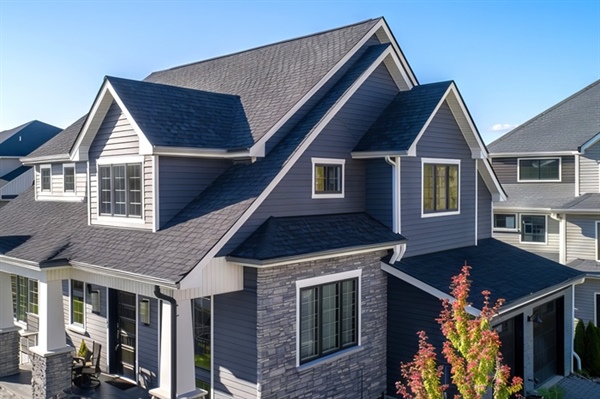
A new roof system is only as reliable as the surface beneath it. While shingles, underlayment, and flashing are highly engineered components, they all depend on one foundational layer: the roof decking. If that decking is compromised by moisture, structural weakness, improper fastening, or surface irregularities, the performance of the entire roofing assembly can be affected. Homeowners often focus on shingle color, warranty length, or material type, yet the structural platform supporting those materials determines how well the system performs under wind, snow load, and long-term weather exposure.
At Twin Cities General Contracting, decades of experience with residential and commercial roof systems have shown that decking condition directly influences durability, safety, and warranty compliance. Issues such as structural weakness, hidden moisture damage, uneven panels, and improper attachment can shorten the lifespan of a newly installed roof. In the sections below, we examine why structural integrity matters before shingle installation, how moisture-damaged decking impacts warranties, whether warped decking affects wind resistance, the role of fastening methods in storm protection, and when decking should be repaired or replaced during installation.
Understanding how these factors interact provides clarity on why a thorough inspection is a critical part of any professional roofing project. Each subtopic below addresses the technical considerations that determine whether a new roof system will perform as designed.
Why Roof Decking Structural Integrity Is Critical Before Installing New Shingles
Roof decking serves as the structural base that distributes loads from shingles, underlayment, snow accumulation, wind uplift forces, and maintenance traffic. Most residential roofs use plywood or oriented strand board (OSB) panels attached to rafters or trusses. These panels must meet specific thickness and span requirements under building codes to prevent deflection. If the decking lacks structural integrity due to rot, delamination, or weakened fastener connections, it cannot properly support the new shingle system.
Shingles rely on a stable substrate to maintain seal integrity and proper nail placement. Fasteners driven into compromised decking may not achieve required withdrawal resistance. This reduces the system’s ability to withstand uplift pressures generated during high-wind events. Even minor structural deterioration can allow movement under load, which stresses shingle bonds and accelerates granular loss. Over time, this movement may lead to premature cracking or tearing.
Structural integrity also affects safety during installation. Installers depend on solid decking to secure underlayment and shingles without risk of collapse or surface failure. When decking panels flex excessively or contain soft spots, proper fastening patterns cannot be achieved. This is why comprehensive roof inspections often include probing for weakened areas and verifying that decking thickness and span ratings comply with current building standards.
How Moisture-Damaged Decking Impacts Roof Lifespan and Warranty Coverage
Moisture intrusion is one of the most common causes of decking failure. When water penetrates through damaged shingles, flashing, or ice dams, it can saturate plywood or OSB panels. Prolonged exposure causes swelling, fungal growth, and loss of structural strength. As decking absorbs moisture, it expands and may distort, which affects the flatness required for proper shingle installation.
Moisture-damaged decking accelerates roof system deterioration in measurable ways. Swollen panels can push shingles upward, disrupting seal strips and allowing wind-driven rain beneath the surface. Persistent dampness also increases the likelihood of mold growth and interior air quality concerns. In colder climates, trapped moisture may freeze and expand, worsening structural damage over repeated cycles.
From a warranty standpoint, most shingle manufacturers require installation over a sound, dry substrate. Installing shingles over wet or deteriorated decking can void coverage because the manufacturer’s performance specifications assume proper substrate conditions. If future failures occur and inspection reveals underlying moisture damage, warranty claims may be denied due to noncompliance with installation standards. This makes moisture assessment a documented step in responsible roof replacement practices.
Can Uneven or Warped Decking Compromise Shingle Performance and Wind Resistance?
Roof systems are engineered to perform on flat, uniformly supported surfaces. When decking panels are uneven, warped, or improperly spaced, shingle alignment and fastening consistency are affected. Warping often occurs when panels are exposed to prolonged humidity or when attic ventilation is insufficient. The resulting ridges and depressions create irregular support points beneath the shingles.
Uneven decking can lead to visible surface distortions commonly referred to as “telegraphing,” where panel seams or warped sections become apparent through the finished roof surface. These irregularities are not merely cosmetic. They influence how shingles lie against each other, which affects seal strip adhesion and wind resistance. Gaps beneath shingles may allow wind to lift edges more easily, increasing uplift forces on fasteners.
Wind resistance ratings published by manufacturers are based on testing conducted over compliant decking installed to code. If the substrate deviates from these standards, real-world performance may not match laboratory results. Over time, uneven decking may also cause fasteners to loosen as panels shift under temperature fluctuations and structural loads.
The Role of Proper Deck Attachment in Storm and Load Resistance
Deck attachment refers to how roof sheathing panels are secured to framing members. Building codes specify nail size, spacing patterns, and edge fastening requirements based on wind zone and structural design. Proper attachment ensures that loads are transferred from shingles to decking and then into the structural framing system without localized failure.
In high-wind events, uplift pressures attempt to separate shingles, decking, and framing components. If decking is inadequately fastened, entire panels may detach even if shingles remain intact. Research from post-storm investigations consistently shows that insufficient fastener spacing or improper nail penetration depth increases the likelihood of progressive failure during severe weather.
Load resistance also includes the ability to support snow accumulation. In northern climates, snow loads can exceed several dozen pounds per square foot. Properly attached decking distributes these loads evenly across rafters and trusses. When attachment is inconsistent, panels may flex excessively, which increases stress at seams and fastener points. Reinforcing attachment patterns during roof replacement often improves structural resilience without altering visible roof components.
When Roof Decking Should Be Repaired or Replaced During Installation
Decking should be repaired or replaced whenever inspection reveals structural compromise, moisture deterioration, delamination, or code noncompliance. Industry standards require that shingles be installed over solid, dry, and securely fastened sheathing. Any soft spots, sagging sections, or visibly warped panels warrant corrective action before underlayment installation begins.
Replacement is generally necessary when more than isolated damage is present or when panels have lost structural integrity. Spot repairs may be sufficient for localized issues caused by minor leaks. However, widespread moisture damage, fungal decay, or fastener withdrawal failure often indicates systemic problems that require full panel replacement. Proper documentation during installation helps maintain manufacturer warranty compliance.
Property owners seeking further guidance on inspection standards, replacement criteria, or installation practices can review service information available through Twin Cities General Contracting. Clear documentation and adherence to building codes during decking evaluation protect both structural performance and long-term roof durability.
Professional Evaluation and Installation Support
Twin Cities General Contracting provides residential and commercial roof replacement services grounded in structural assessment and code compliance. A thorough decking inspection is part of the installation process to identify moisture damage, attachment deficiencies, and structural concerns before new shingles are applied.
With decades of experience in roof restoration, storm damage repair, and full system replacement, the team evaluates substrate condition, verifies fastening standards, and addresses compromised panels prior to installation. This approach supports wind resistance performance, warranty compliance, and long-term durability for properties throughout the region.
To schedule an inspection or discuss decking concerns before a roof replacement, call 763-258-3904 or contact us. Proper substrate evaluation ensures that every new roof system performs as designed from the first day of installation.