How Do You Know If Your Roof Has Hail Damage in Minnesota?
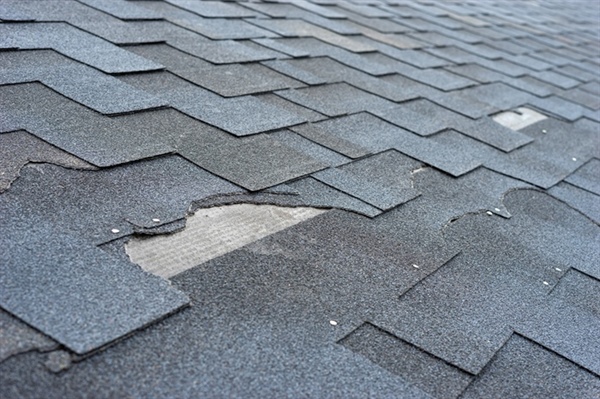
Hailstorms in Minnesota can develop quickly and leave homeowners wondering whether their roof absorbed damage that isn’t visible from the ground. In the Twin Cities region, asphalt shingles are the most common roofing material, and they are particularly vulnerable to impact from hailstones driven by high winds. Even moderate-sized hail can bruise, crack, or dislodge shingles, compromising the roof’s ability to shed water properly. Understanding what to look for after a storm helps property owners make informed decisions before minor surface damage turns into costly structural repairs.
Twin Cities General Contracting regularly addresses roofing concerns caused by severe weather across the metro area. Recognizing the early warning signs, knowing when to schedule an inspection, understanding how damage affects structural integrity, learning how contractors document storm impacts, and knowing the risks of delaying repairs are all key factors. If you suspect hail damage, gaining clarity on these topics can protect both your home and your long-term investment.
Common Signs of Hail Damage on Asphalt Shingles in Minnesota
Asphalt shingles show hail damage in several distinct ways. The most recognizable sign is circular impact marks where granules have been knocked loose. These granules protect the asphalt layer from ultraviolet exposure and slow water penetration. When hail dislodges them, the exposed asphalt appears darker and may feel soft or bruised to the touch. Bruising occurs when the mat beneath the shingle fractures but does not immediately split, creating hidden vulnerabilities.
Additional indicators include cracked shingles, sharp divots, or small tears along the edges. In severe cases, hail can break the fiberglass reinforcement within architectural shingles, shortening their service life. Metal components such as flashing, vents, and gutters often display dents, which help confirm storm intensity and direction. Roofing professionals also examine ridge caps and soft metal accessories because these areas frequently show early evidence of impact.
Granule accumulation in downspouts is another measurable sign. After a hail event, excess granules may wash into gutters. This material loss reduces the shingle’s protective layer, accelerating deterioration. When homeowners suspect storm-related impact, reviewing professional storm restoration guidance regarding hail damage can clarify how different materials respond to impact and why prompt evaluation matters.
How Soon Should You Schedule a Roof Inspection After a Twin Cities Hailstorm?
Roof inspections should be scheduled as soon as conditions are safe following a hailstorm. Industry best practices recommend evaluation within days rather than weeks. Immediate inspection allows contractors to document fresh impact marks before weathering, foot traffic, or additional storms obscure the evidence. In Minnesota’s climate, fluctuating temperatures and rainfall can quickly mask bruising patterns on shingles.
Timely inspections also align with insurance policy requirements. Many property insurance policies include reporting windows for storm damage. Waiting too long can complicate claim validation if damage becomes harder to attribute directly to a specific storm event. Contractors trained in storm restoration assess slopes systematically, photograph impact zones, and note collateral damage to siding, fascia, and ventilation systems.
Early inspection supports preventative maintenance as well. Even if no major structural compromise is found, minor granule loss or cracked tabs can be addressed before moisture infiltration begins. Storm response services listed on the company’s restoration resources outline how structured inspections identify both visible and concealed damage patterns that homeowners often overlook.
Can Hail Damage Lead to Long-Term Structural Problems?
Yes, untreated hail damage can contribute to long-term structural deterioration. When granules are removed and shingle mats are bruised, water resistance decreases. Over time, repeated freeze-thaw cycles common in Minnesota force moisture into weakened areas. Expansion during freezing can widen fractures and allow water to reach underlayment layers.
Once moisture penetrates beneath shingles, it can affect decking materials. Wood decking may absorb water, leading to rot, warping, or delamination. If ventilation is inadequate, trapped moisture also promotes mold growth within attic spaces. Structural fasteners can corrode, and insulation effectiveness may decline due to dampness.
Structural implications extend beyond the roof surface. Prolonged water intrusion can compromise wall assemblies, ceiling drywall, and framing members. While damage may begin with minor impact marks, the progression from surface bruise to structural repair often occurs gradually. Thorough post-storm evaluation helps determine whether damage remains cosmetic or has begun affecting load-bearing components.
How Roofing Contractors Document Hail Damage for Insurance Claims
Professional documentation follows a systematic process designed to create objective evidence. Contractors begin with a full exterior inspection, mapping roof slopes and marking impact zones with chalk to identify consistent strike patterns. This method distinguishes hail damage from normal wear, blistering, or manufacturing defects.
High-resolution photographs are taken of each affected area, including close-ups of bruised shingles and wide-angle images showing slope distribution. Contractors often test suspect shingles by applying light pressure to detect soft spots indicating mat fracture. Metal accessories such as vents and flashing are documented because their dent patterns help validate storm severity.
Detailed reports typically include date of loss verification, material type identification, slope measurements, and square calculations. When requested, contractors meet with insurance adjusters onsite to review findings. Clear documentation reduces disputes and supports accurate claim assessment by presenting measurable evidence rather than assumptions.
What Happens If Hail Damage Is Not Repaired Promptly?
Failure to repair hail-damaged roofing materials increases the risk of accelerated aging. Shingles with exposed asphalt degrade more rapidly under ultraviolet exposure. As brittleness increases, wind uplift resistance decreases, making shingles more vulnerable during subsequent storms.
Delayed repairs also heighten the likelihood of leaks. Even small fractures can allow capillary water intrusion during heavy rain or snowmelt. In Minnesota, ice dam formation can compound the issue. When heat escapes unevenly through compromised roofing systems, meltwater refreezes at eaves, forcing water beneath shingles and into structural cavities.
Over time, repair costs typically rise as damage spreads beyond isolated shingles to decking and interior finishes. Property owners seeking guidance on inspection or restoration services can review available resources through Twin Cities General Contracting to understand repair pathways before deterioration advances.
Protect Your Roof After a Minnesota Hailstorm
Twin Cities General Contracting provides comprehensive storm damage evaluation and restoration services throughout the metro area. Their team documents impact patterns, assesses structural integrity, and supports homeowners through inspection and insurance coordination processes.
From identifying granule loss and bruising to evaluating long-term structural implications, professional assessment clarifies whether damage is cosmetic or requires replacement. Prompt action helps prevent moisture intrusion, decking deterioration, and escalating repair costs.
If your property was recently exposed to severe weather, call 763-258-3904 or contact us to schedule a detailed inspection and receive clear documentation of any storm-related damage.