Essential Commercial Roof Maintenance Tips for Business Owners
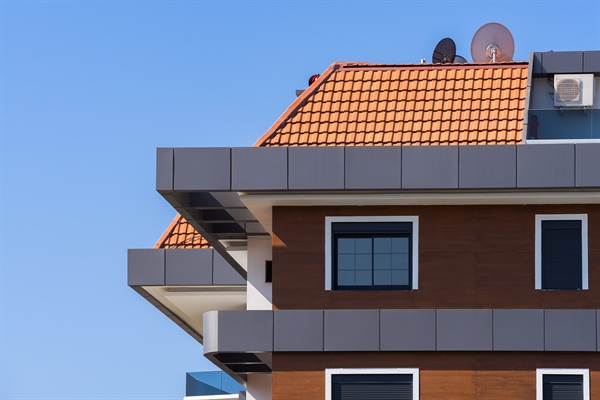
Maintaining a commercial roof is crucial for business owners to ensure the longevity and safety of their building structures. Effective roof maintenance not only prevents costly repairs but also enhances the building's energy efficiency and aesthetic appeal.
In this blog, we'll discuss key aspects that business owners should be aware of to keep their commercial roofs in optimal condition. From understanding essential routine maintenance tasks to recognizing signs of wear and tear, this guide covers several critical areas.
Each section below will provide detailed insights and practical advice to help you manage your commercial roofing effectively!
Essential Maintenance Tasks for Commercial Roofs
Regular maintenance is key to extending the lifespan of commercial roofs. This includes routine cleaning to remove debris and standing water, regular inspections for potential leaks or damage, and ensuring that drainage systems are clear and functional. Additionally, business owners should ensure that any equipment on the roof is properly secured and that the roof surface is checked for punctures or signs of wear.
It is also crucial to maintain roof coatings, which protect against UV rays and weather damage, thereby enhancing the roof’s durability. Periodic reapplication of these coatings as per the manufacturer's guidelines can significantly prolong the roof's life.
Adhering to a scheduled maintenance program can prevent minor issues from developing into major problems, thus saving on future repair costs. For further insights on maintaining commercial roofs, consider visiting commercial roofing.
Inspection Frequency for Commercial Roofs
Commercial roofs should be inspected at least twice a year, typically in the spring and fall, to address any issues from the previous season and prepare for upcoming weather conditions. However, inspections may be needed more frequently if the roof is exposed to harsh environmental conditions or if previous assessments have identified potential vulnerabilities.
After major weather events such as storms or heavy snowfall, additional inspections are advisable to assess and repair any damage that may have occurred. This proactive approach ensures that the roof remains in optimal condition and can help extend its lifespan.
For professional assessments, engaging a qualified roofing contractor can provide thorough inspections and maintenance advice.
Identifying Wear and Tear on Commercial Roofs
Signs of wear and tear on commercial roofs include visible cracks, tears, or blisters on the roofing material. Pooled water or consistent leakage spots also indicate that the roof may have structural issues. Additionally, a sagging roof deck suggests a significant underlying problem that needs immediate attention.
Interior signs such as water stains on the ceiling or walls, mold growth, or unusual odors are also indicators of potential roof problems. Regularly checking for these signs can help catch issues early, before they lead to more severe damage.
Monitoring these signs regularly helps maintain the roof's integrity and functionality, ensuring it continues to protect the building effectively.
Maintenance Strategies to Extend Roof Life
Implementing strategic maintenance practices is essential for prolonging the life of commercial roofs. Regularly clearing the roof of debris and ensuring that drainage systems are unobstructed can prevent water accumulation and the associated risks of leaks and structural damage.
Applying reflective roof coatings can also significantly extend roof life by reducing heat absorption and minimizing thermal shock. Ensuring that all roof penetrations are properly sealed and that flashing remains intact can also prevent water ingress, which is a common cause of roof damage.
Maintenance strategies should be tailored to the specific type of roofing material and local climate conditions to achieve the best results.
Impact of Seasonal Changes on Roof Maintenance
Seasonal changes significantly influence roof maintenance needs. For instance, in colder climates, preparing the roof for winter involves ensuring it can withstand the weight of snow and ice, while in warmer months, it’s important to check for thermal expansion damage and UV exposure.
Spring and fall are typically the best times for thorough cleanings and inspections to address any issues from the previous season and prepare for the next. Seasonal maintenance ensures that the roof remains functional and safe throughout the year.
How Twin Cities Wall Systems Can Help with Your Commercial Roofing Needs
At Twin Cities General Contracting, we understand the importance of maintaining a robust commercial roofing system. Our expertise in roofing solutions ensures that your business is protected throughout the year, adapting our strategies to meet seasonal demands and extending the lifespan of your roof with precise maintenance and timely repairs.
We offer comprehensive roofing services tailored to your specific needs, from routine inspections to emergency repairs. To discuss your roofing needs and explore our services, we invite you to request a quote today or give us a call at 763-258-3904!