Environmental Advantages of Metal Roofing
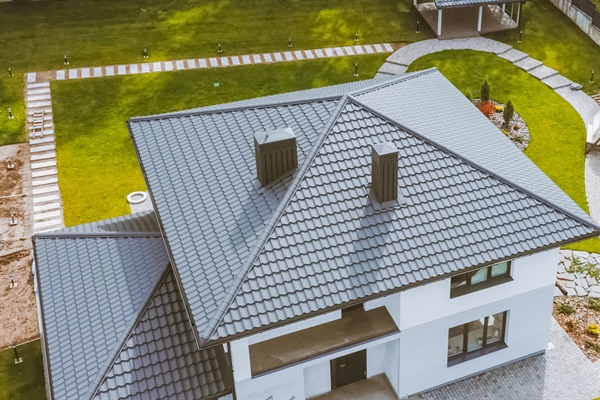
Metal roofing stands out as a sustainable choice in the construction industry, known for its durability and environmental efficiency. Choosing metal roofing offers significant environmental benefits, from enhanced recyclability to reduced energy consumption.
This article explores how metal roofs contribute to a more sustainable future, focusing on their lifecycle, compatibility with modern technologies, and ability to lessen environmental impacts. Our exploration begins by examining the recyclability of metal materials relative to other materials and their role in minimizing a home’s carbon footprint. We'll also discuss how metal roofs can mitigate urban heat islands, enhance the efficiency of solar panel installations, and meet stringent eco-friendly certifications.
Each aspect below underscores the potential of metal roofing to transform both new and renovated structures into models of sustainability!
Recyclability of Metal Roofing Materials
Metal roofing materials are highly recyclable, often consisting of up to 95% recycled content, depending on the product. Unlike many other roofing materials that end up in landfills at the end of their lifecycles, metal roofing can be fully recycled. This significant recyclability factor reduces the need for new raw materials, thus conserving energy and reducing the industry's carbon footprint.
The cycle of recycling metal is continuous, meaning that metal roofs removed from a building can be recycled into new metal products without loss of quality. This trait makes metal an ideal choice for sustainable building practices.
Carbon Footprint Impact of Metal Roofing
Metal roofs significantly reduce a home's carbon footprint by offering superior energy efficiency. The reflective properties of metal decrease the amount of heat absorbed from sunlight, which reduces cooling costs and energy usage in warmer climates. Additionally, metal roofs have excellent insulation, helping maintain interior temperatures and further minimizing energy consumption for heating and cooling.
By improving energy efficiency, metal roofs contribute to lower greenhouse gas emissions associated with heating and cooling systems. This benefit is crucial for homes aiming to reduce their ecological impact.
Reduction of Urban Heat Islands with Metal Roofs
Metal roofs play a pivotal role in reducing urban heat islands. Their highly reflective surfaces help deflect sunlight and heat away from buildings, contributing to lower ambient temperatures in urban areas. This reflection reduces the heat absorbed by buildings and the surrounding environment, mitigating the urban heat island effect prevalent in densely populated areas.
As cities continue to grow, incorporating metal roofing in urban planning can be a strategic move to enhance environmental sustainability and improve urban living conditions.
Interaction of Metal Roofs with Solar Panel Installations
Metal roofs are an excellent base for solar panel installations due to their durability and ease of installation. The rigidity of metal roofing provides a secure anchor for solar panels, enhancing the overall stability of the solar system. Additionally, the reflective properties of metal roofs can increase the efficiency of solar panels by reflecting sunlight back onto the panels.
This synergy between metal roofing and solar technology not only maximizes energy efficiency but also extends the lifespan of both the roof and solar panels, making it a cost-effective solution for sustainable home improvements.
Eco-friendly Certifications for Metal Roofing Materials
Metal roofing materials often come with eco-friendly certifications, such as ENERGY STAR ratings, which indicate high performance in energy efficiency. These certifications are a testament to the environmental benefits of metal roofs, highlighting their role in sustainable building practices.
Such certifications assure homeowners and builders that choosing metal roofing is beneficial not only for its durability and cost-effectiveness but also for its environmental performance. For more information on certified roofing materials, visit Twin Cities General Contracting's office or call us at 763-258-3904.