Can Roof Replacement Be Done During Winter in Minnesota?
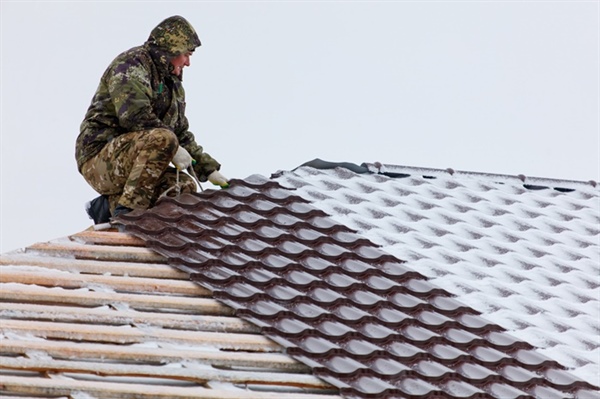
Winter in Minnesota brings heavy snowfall, ice dams, and prolonged freezing temperatures that put significant stress on residential roofing systems. When shingles begin to fail or storm damage exposes underlying materials, many homeowners question whether waiting until spring is the only safe option. The reality is that roof replacement can be completed during winter in Minnesota, but it requires precise temperature management, material handling adjustments, and experienced installation practices to maintain structural performance and manufacturer standards.
Cold-weather roofing introduces important considerations that differ from peak summer projects. Temperature thresholds affect asphalt shingle flexibility, sealing strips behave differently in freezing conditions, and installation crews must adapt to snow removal and surface preparation challenges. In this article, we examine what temperature limits affect asphalt shingles, how winter installations differ from summer roofing projects, whether freezing conditions create measurable risks, how seasonal timing impacts project costs in the Twin Cities, and what precautions professional contractors take to complete a successful roof replacement. As Twin Cities General Contracting has outlined in its roofing guidance, understanding how Minnesota’s climate interacts with roofing materials is critical to protecting long-term durability and warranty compliance.
Temperature Limits That Affect Asphalt Shingle Installation in Minnesota
Asphalt shingles are engineered to perform within specific temperature ranges, and those limits directly affect installation quality. Most manufacturers recommend installation when ambient temperatures are 40°F or higher. At lower temperatures, shingles become less flexible because the asphalt mat stiffens. This rigidity increases the risk of cracking during handling, cutting, or nailing. In Minnesota winters, where temperatures frequently drop below freezing, installers must take additional precautions to prevent mechanical damage before the shingles are even secured to the roof deck.
The self-sealing adhesive strip located beneath each shingle is also temperature sensitive. This strip is designed to activate with solar heat, bonding each course to resist wind uplift. When installed in cold weather, the sealant may not activate immediately. Instead, shingles rely temporarily on correct nailing placement and gravity until sufficient warmth allows proper sealing. Without adequate activation, shingles remain more vulnerable to wind displacement. For this reason, manufacturers often specify hand-sealing procedures when installing during colder months.
Surface conditions further influence temperature limitations. Roof decking must be dry and free of frost before installation begins. Ice or condensation can compromise underlayment adhesion and fastening integrity. As outlined in guidance on roof replacement, maintaining manufacturer-specified installation standards is critical for long-term performance. In Minnesota’s climate, temperature monitoring is not optional; it directly affects material behavior and structural reliability.
How Winter Roof Installations Differ from Summer Roofing Projects
Winter roofing projects in Minnesota differ operationally from summer installations in several measurable ways. In warm weather, shingles remain pliable, adhesive strips activate quickly, and crews can move efficiently across dry surfaces. During winter, snow removal, ice mitigation, and surface drying become preliminary steps before any materials are installed. Crews must often clear accumulated snow and verify that roof decking is moisture-free prior to laying underlayment.
Material storage procedures also change significantly. In cold conditions, asphalt shingles are typically stored in heated environments before installation. Keeping bundles warm preserves flexibility and reduces the likelihood of cracking during placement. Tools and fasteners must also be evaluated, as pneumatic nail guns can behave differently in low temperatures. Consistent fastening depth is critical to maintaining wind resistance ratings.
Daylight limitations further distinguish winter from summer roofing schedules. Shorter days compress project timelines and require careful sequencing to avoid leaving exposed decking overnight. These differences do not prevent installation, but they demand structured planning and environmental awareness that are not typically required during peak-season projects.
Risks of Installing Roofing in Freezing Conditions
Installing roofing materials in freezing temperatures introduces identifiable risks that must be managed through strict procedural controls. The primary concern involves shingle brittleness. When asphalt shingles lose flexibility, they are more prone to fracture during bending or fastening. Even minor cracking can compromise long-term water shedding performance.
Another documented risk involves delayed adhesive bonding. Without adequate heat exposure, the self-sealing strips may not fully adhere until spring. During this interim period, high winds could potentially lift improperly secured shingles. This risk is mitigated through correct nailing patterns and, in some cases, manual adhesive application beneath each tab to supplement manufacturer sealant strips.
Worker safety also becomes a factor in freezing conditions. Ice accumulation increases slip hazards, and frost can make roof surfaces unpredictable. Professional crews must implement fall protection systems and continuously assess surface stability. While freezing temperatures do not make roof replacement impossible, they increase the margin for error if installation standards are not rigorously followed.
Does Winter Roof Replacement Cost More in the Twin Cities?
Seasonal pricing for roof replacement in the Twin Cities is influenced by demand cycles rather than material cost fluctuations alone. Spring and summer represent peak demand periods, often resulting in longer scheduling windows. Winter months can offer increased contractor availability, though weather variability may introduce scheduling adjustments due to snowfall events.
Material pricing for asphalt shingles generally remains stable throughout the year, as manufacturers distribute products year-round. However, additional labor considerations in winter—such as snow removal, cold-weather handling procedures, and safety precautions—can influence overall project logistics. These factors may affect timelines more than base material pricing.
Access challenges can also influence cost. Accumulated snow around the home may require clearing to protect landscaping and allow debris containment systems to function correctly. While winter installation does not automatically result in higher costs, project complexity may vary depending on site conditions and prevailing weather patterns within the Minneapolis–St. Paul metropolitan area.
Precautions Professional Roofers Take During Cold-Weather Installations
Professional roofing crews operating in Minnesota implement structured cold-weather protocols to maintain installation integrity. Shingle bundles are stored in heated areas and brought to the roof in small quantities to preserve flexibility. Hand-sealing techniques may be applied to reinforce adhesive bonding when temperatures remain below manufacturer activation thresholds.
Roof decks are inspected for frost, condensation, and trapped moisture before underlayment installation begins. Synthetic underlayments and ice-and-water barriers must adhere properly to maintain waterproofing integrity. Careful attention is given to ventilation pathways, as winter installations must avoid trapping interior moisture that can contribute to condensation-related damage.
Safety systems are also intensified during winter conditions. Harness systems, roof brackets, and slip-resistant footwear reduce fall risks. Experienced contractors follow manufacturer installation specifications and regional building codes to protect warranty compliance. Homeowners seeking detailed guidance or scheduling information can review project specifications directly through Twin Cities General Contracting to understand procedural standards for cold-weather roof replacement.
Professional Winter Roof Replacement Services in the Twin Cities
Roof replacement during a Minnesota winter requires precise material handling, temperature monitoring, structural inspection, and strict adherence to manufacturer installation standards. Twin Cities General Contracting applies cold-weather roofing protocols designed for freeze-thaw cycles, heavy snow loads, and ice dam exposure common throughout the Minneapolis–St. Paul region. Each project begins with a detailed roof assessment to evaluate decking integrity, ventilation performance, flashing conditions, and underlayment durability before installation begins.
Twin Cities General Contracting provides residential roofing services tailored to Minnesota’s climate demands. Their team evaluates temperature thresholds, adhesive activation requirements, and fastening precision to maintain compliance with shingle manufacturer specifications. Homeowners who experience winter storm damage or active leaks do not need to delay necessary work until spring. Proper planning and cold-weather procedures allow roof replacement projects to move forward safely and effectively.
If you are considering winter roof replacement or need guidance on temperature limitations, cost factors, or installation precautions, speak directly with a roofing specialist at 763-258-3904. Detailed consultations and project evaluations can be requested online through the company’s contact us page. Acting promptly when roofing systems show signs of deterioration helps protect insulation, structural framing, and interior finishes from preventable moisture damage during Minnesota’s harsh winter season.